Dies hier ist ein Test-Post. Wenn du ihn siehst, funktioniert der Hugo-Publishing-Workflow über den Hermes Agent direkt hier.
Keine große Aussage — einfach: ja, das geht.
also wrote a little bit about how this came about and how much i love personal websites and people who make weird things scott.is/writing/about/scott-v4
As summer shifts to autumn in a deluge of thunderstorms here in the north of England, I’m reminded that change is perpetual and unavoidable.

I wired my homepage up with playhtml so dragging a sticker, waving the hand, or starting a song all happen for everyone who's on the page at the same time. Notes on what I built and why I keep chasing this "we're all here together" feeling.
I'm really happy yet another way to enjoy The Index is available for people:
1. RSS piccalil.li/the-index/feed.xml 2. Web piccalil.li/the-index/ 3. Email 4. Standard.site via @standard-reader.app
Build your newsletter web-first and anything is possible.
Kev Quirk betreibt seinen Blog so datensparsam wie möglich und verzichtet dabei ganz bewusst auf Analytics, also jegliche Quantifizierung, wer wie wann seine Inhalte liest. Das verstehe ich aus zwei Beweggründen: Einerseits kann das schnell zu unnötigem Performancedruck führen – was bei einem persönlichen, unkommerziellen Blog widersprüchlich scheint. Andererseits bringen Analytics einen technischen wie datenschutzrechtlichen Rattenschwanz mit sich, die mich bislang ebenfalls hauptsächlich daran gehindert haben, ähnliches mit gutem Gewissen zu implementieren.
Stattdessen hat Kev seine Leser:innen in einem Beitrag gefragt, wie sie seine Blogposts konsumieren. Das Formular ist mittlerweile entfernt, weil er innerhalb von nur 48 Stunden die 500 im kostenlosen Tarif des Tools enthaltenen Rückmeldungen ausgereizt hat, was schon mal einen groben Eindruck über das Engagement echter Leser:innen (und keiner Bots) gibt.
Herausgekommen ist bei der Umfrage, dass mit fast 85 Prozent die allermeisten die Website per RSS verfolgen. Was nicht überraschen sollte, aber vielleicht auch etwas verzerrt ist: Schließlich heißt das nur, dass die meisten, die innerhalb von 48 Stunden von der Umfrage erfahren haben, RSS verwenden, nicht aber, dass nicht auch ein größerer Teil der Leser die Seite etwa seltener direkt aufruft. Passend dazu hat Manuel Moreale gerade erst wieder seine “jährliche Erinnerung, RSS zu benutzen” veröffentlicht, und hat sich davon inspirieren lassen, seine eigene Umfrage zu starten.
See, you don’t need analytics to get an idea of who’s reading your stuff and how.
Two days ago I published a simple survey asking how you read the content I put out on this site. Here's the results of that survey.
We are all so online, yet being online feels so solitary. I can’t feel the people across the feeds from me. Social media is designed for consumption of content, distribution of branding, broadcasting of prestige, not spontaneous encounters or the warm, funny, and weird moments that happen when humans simply exist together.
But what if we had the tools to reshape it? We could make our own public parks, cafes, bodegas, waterfalls, and mountains. We could carve out spaces that we inhabit and maintain, becoming active stewards rather than just users.
If dead internet theory posits that the internet will eventually become only bots, alive internet theory proclaims we will never let the open internet die. We will always find a way to look for each other, to answer a call for help, to share a laugh and an argument right after one another. If there’s one trait of the human race that every apocalypse movie agrees on, it’s our will to survive.
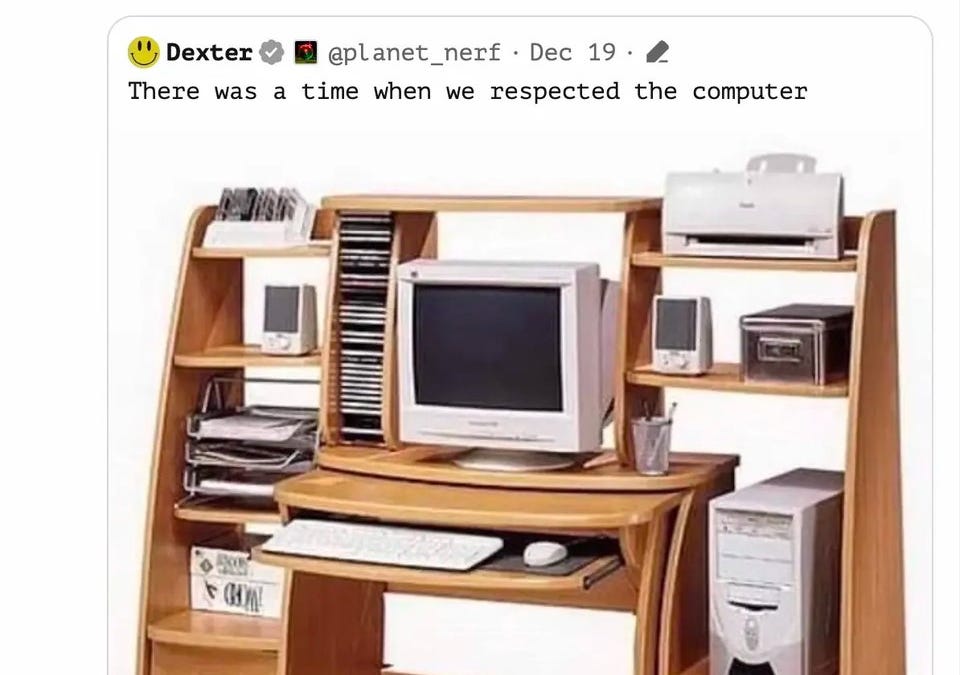
why the bots will never win and just hanging out online